
TL;DR
- The machines already won the execution game. Over 70% of US equity trading volume is now algorithmic, drastically reducing the headcount on traditional Wall Street trading floors.
- The shift from "Quant" to "AI" is accelerating. We are moving away from rigid, human-coded statistical arbitrage toward deep learning models that autonomously identify alpha.
- Human roles are specializing. The surviving human traders focus on illiquid markets, complex structured products, and relationship management, areas where algorithms still struggle.
Related Insight: Reinforcement Learning in Trading: From Theory to Live Markets
Related Insight: How Sovereign Wealth Funds Are Betting on AI
Related Insight: The Fed's QT: How Balance Sheet Reduction Reshapes Markets
Related Insight: Systematic vs. Discretionary Hedge Funds: Who Won in 2026
Related Insight: Pension Funds Buying Crypto: The Data in 2026
The Emptying of the Trading Floor
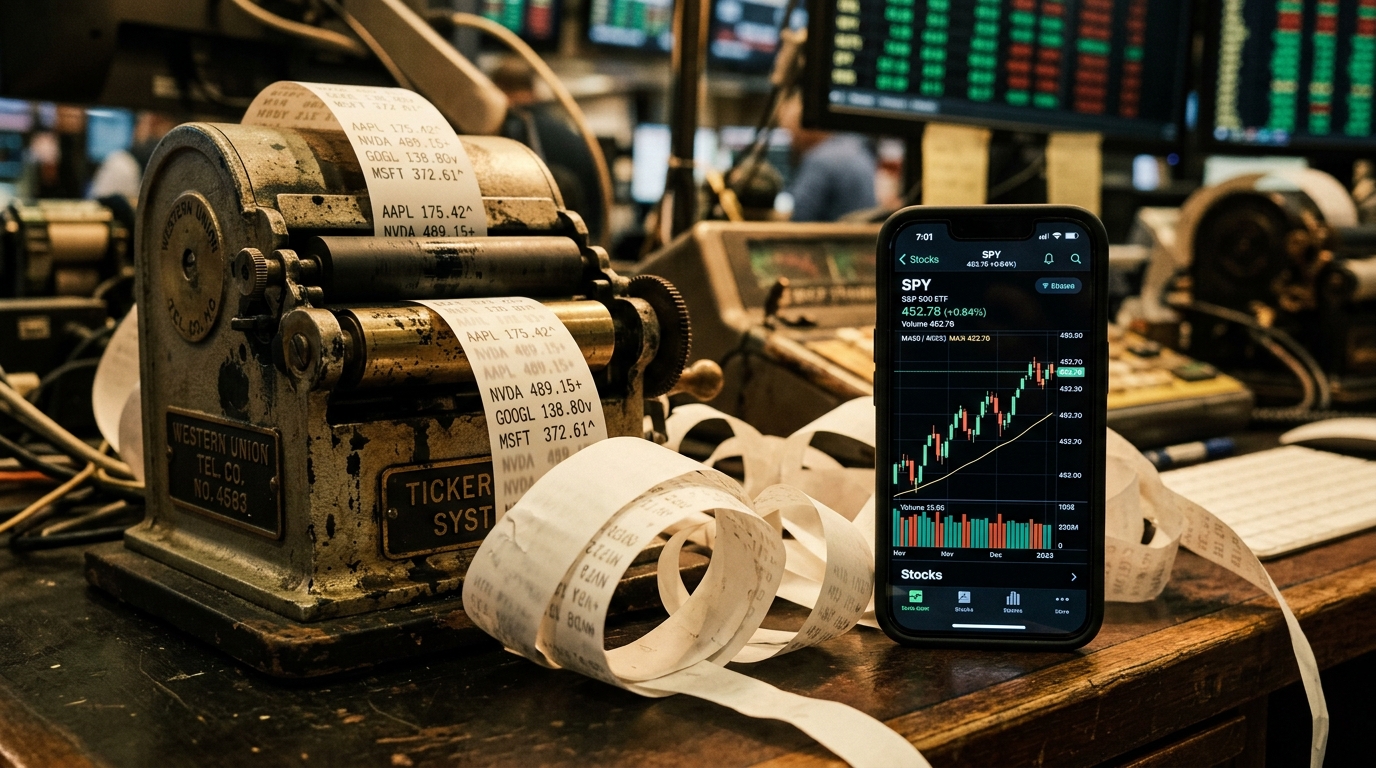
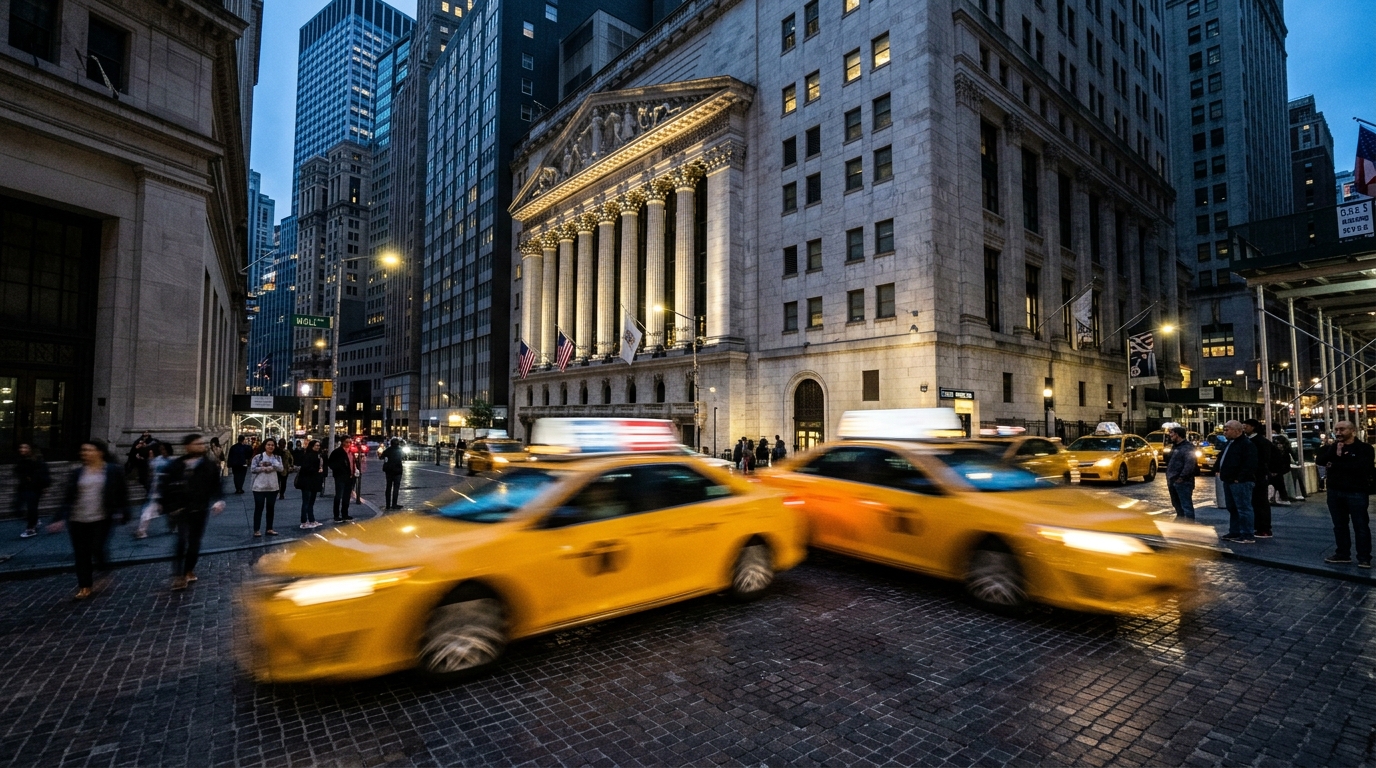
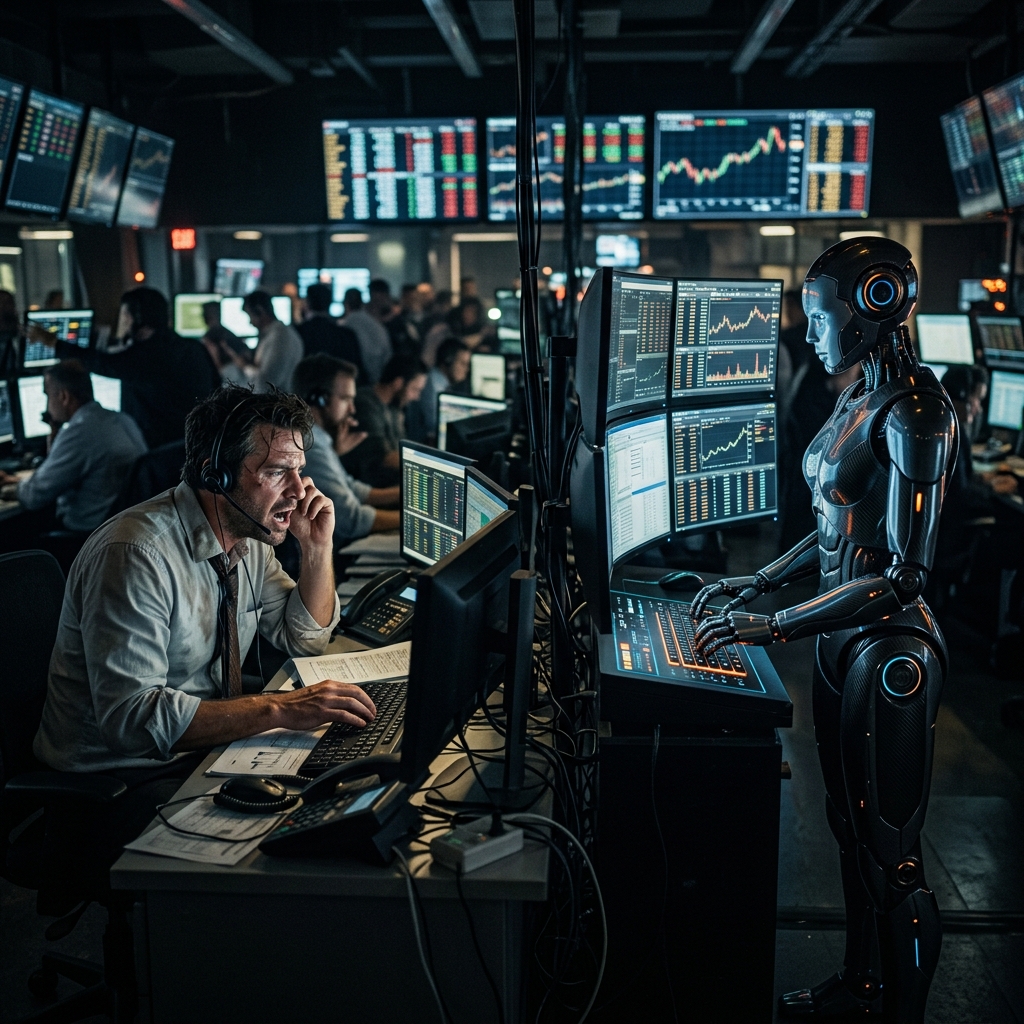
If you want to visualize the impact of algorithmic trading, look at photographs of the Goldman Sachs cash equities trading floor in New York. In the year 2000, it housed approximately 600 traders, shouting orders and aggressively making markets. Today, that same floor is occupied by a handful of humans - and hundreds of computer engineers supporting the automated systems that replaced them.
The "death" of the human trader is not a futuristic prediction; in the highly liquid cash equities and foreign exchange markets, it has already happened. The speed advantage of a computer executing a trade in microseconds made human execution a structural liability. However, as we move through 2026, the nature of the algorithms replacing humans is undergoing a massive evolutionary leap.
From Rules to Neural Networks
Historically, algorithmic trading was "rule-based." Brilliant quantitative analysts (quants) at firms like Renaissance Technologies, D.E. Shaw, and Citadel would discover statistical anomalies in market data and write code to exploit them. The algorithm was merely a fast, emotionless executor of a human's idea.
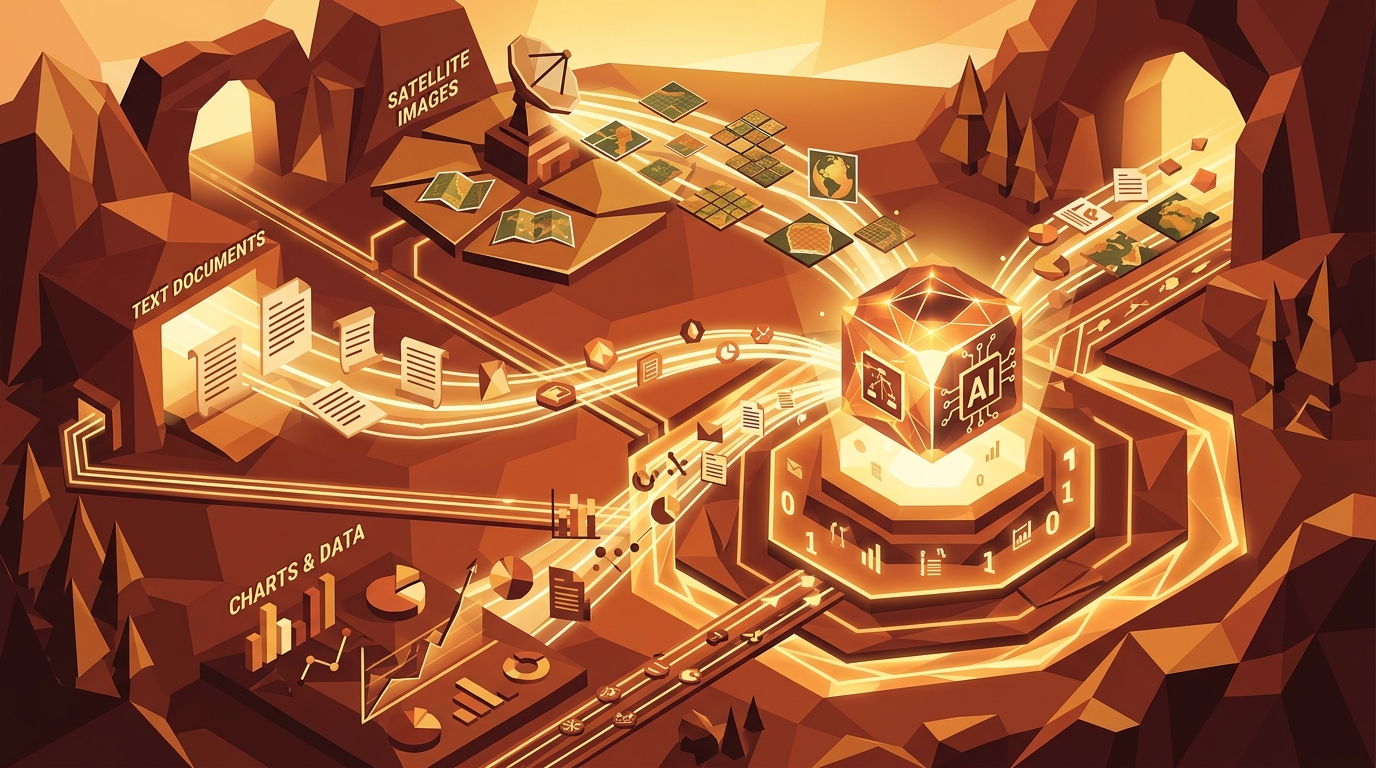
The current frontier is drastically different. Modern hedge funds are deploying deep learning and reinforcement learning models. These AI systems do not wait for a human to write a rule; they ingest massive datasets - from tick data and order book depth to satellite imagery and social media sentiment - and autonomously identify non-linear relationships that a human brain could never conceptualize. The machine is no longer just the executor; it is the analyst.
What Algorithms Still Can't Do
Despite their dominance, algorithms have severe limitations, which define the boundaries of modern human trading.
1. The Narrative and the Black Swan: Algorithms trade based on historical data. When an unprecedented geopolitical event occurs - a "black swan" - historical correlations break down. During the initial shock of a pandemic or a surprise military conflict, algorithms often "turn off" or behave erratically because the incoming data falls outside their training parameters. Human traders, capable of synthesizing abstract narratives and exercising judgment, excel in these chaotic, data-poor environments.
2. Illiquid and Bespoke Markets: Algorithms thrive in deep, liquid markets like large-cap equities or Treasury bonds. They fail in bespoke, over-the-counter (OTC) markets where pricing is opaque. Structuring a complex collateralized debt obligation or negotiating the block sale of a distressed corporate asset requires human negotiation, legal nuance, and relationship capital.
3. The "Cost of Trading" in Human Terms: Machines lack the capacity for empathy or understanding the ultimate intent behind a large institutional order. A human trader handling a massive block trade for a pension fund can work the order strategically over days, using intuition to avoid signaling the market and moving the price against their client.
The Future of the Finance Career
The proliferation of algorithmic trading has fundamentally altered the career path on Wall Street. The traditional route of starting as a clerk and working up to a proprietary trader is virtually extinct.
Today, the highest-paid individuals at major trading firms are computer scientists, data engineers, and PhD physicists. The "traders" who remain are often tasked with risk management - monitoring the algorithms to ensure they don't trigger a flash crash or violate compliance protocols.
Will AI fully replace trading desks by 2030? For highly liquid, exchange-traded assets, the answer is an unequivocal yes. The surviving human element of finance will increasingly resemble bespoke consulting: utilizing AI tools to structure complex, illiquid transactions that require human trust and legal oversight to execute.
Disclaimer: This article is for informational purposes only and does not constitute financial advice. Always consult a qualified financial advisor before making investment decisions.