
TL;DR
- Credit Card Status: The CFPB's interpretive rule effectively treats BNPL providers as credit card issuers under the Truth in Lending Act.
- 50 Million Users: Over 50 million US consumers use BNPL services, raising stakes for merchant fees and consumer protections.
- Margin Squeeze: Added compliance and regulatory burdens threaten the unit economics of major BNPL players like Affirm and Klarna.
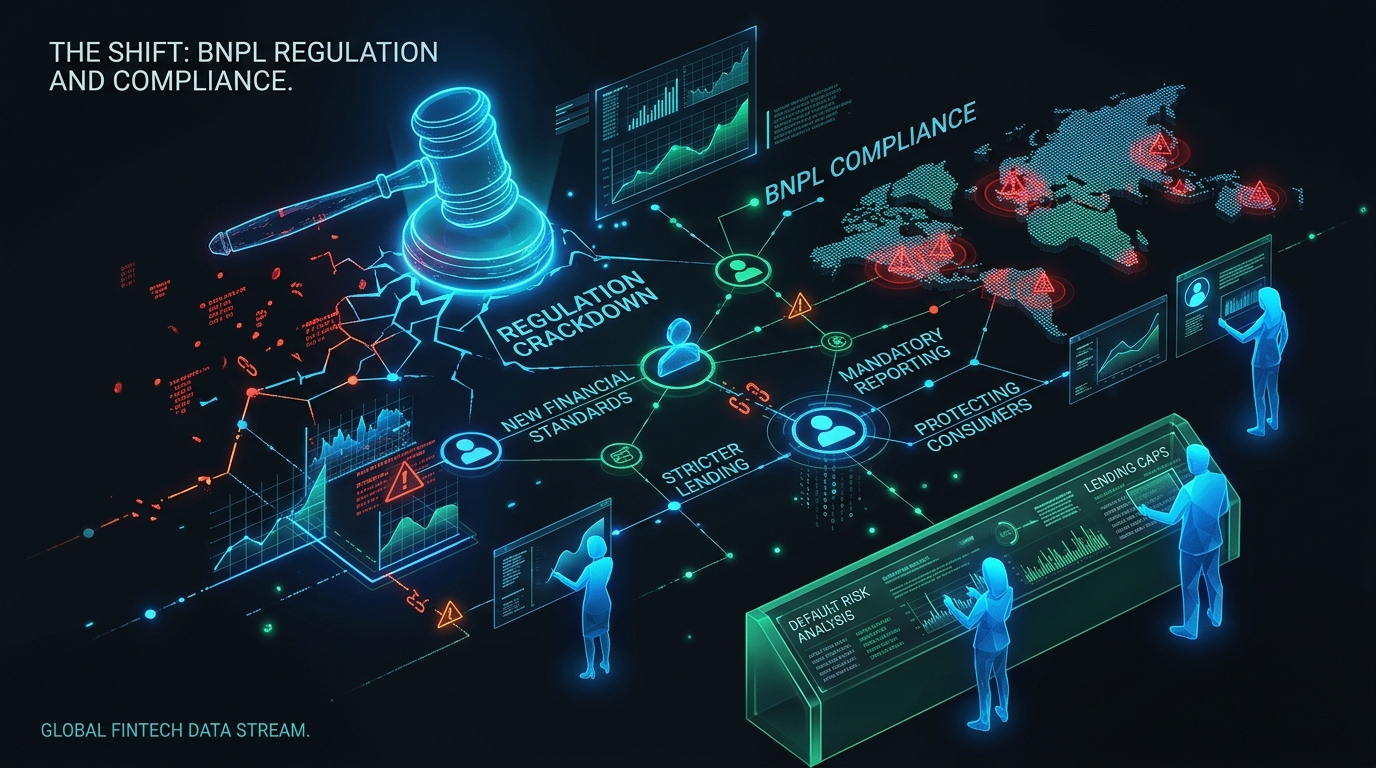
The Buy Now, Pay Later (BNPL) industry has experienced explosive growth over the past five years, fundamentally altering consumer credit and digital commerce. However, 2026 has proven to be a turning point. The Consumer Financial Protection Bureau (CFPB) has initiated a regulatory crackdown, issuing interpretive rules that seek to classify BNPL products similarly to traditional credit cards. For the 50 million US users and the companies that serve them, this represents a massive shift.
At the heart of the CFPB's action is the belief that consumers using BNPL services deserve the same fundamental protections as those using credit cards. This includes the right to dispute charges, receive refunds for returned products seamlessly, and access transparent billing statements. While consumer advocates applaud these measures, the industry faces an unprecedented operational challenge in retrofitting its agile business models to decades-old credit regulations.
The Impact on Unit Economics and Operations
For industry leaders like Affirm and Klarna, the new regulatory landscape poses significant threats to unit economics. Operating a BNPL service is vastly different from managing a revolving credit card portfolio. In its recent 10-K filing, Affirm explicitly warned investors of the "operational and compliance challenges" associated with the CFPB's interpretive rule. Applying traditional Truth in Lending Act (TILA) requirements to short-term, zero-interest installment loans requires sweeping infrastructure changes.
The cost of compliance, coupled with the potential for increased litigation and regulatory scrutiny, threatens to squeeze already thin profit margins. If BNPL providers are forced to absorb these costs, they may inevitably pass them on to merchants through higher transaction fees or to consumers by tightening credit approvals and introducing new late fees, undermining the very appeal of the product.
| Provider | Market Focus | Regulatory Challenge | 2026 Strategic Pivot |
|---|---|---|---|
| Affirm | US / High-ticket | Navigating TILA compliance, maintaining merchant relationships | Expanding interest-bearing products |
| Klarna | Global / E-commerce | Managing diverse global regulatory regimes | Preparing for a potential IPO, AI integration |
| Afterpay (Block) | US & APAC / Retail | Integrating compliance within the broader Square ecosystem | Deepening Cash App synergy |
| PayPal Pay Later | Global / Broad | Leveraging existing compliance infrastructure | Aggressive merchant acquisition |
Stock Market Ramifications and the IPO Pipeline
The regulatory uncertainty has sent ripples through the stock market, affecting the valuations of publicly traded fintechs and altering the calculus for private companies eyeing public debuts. Investors are closely monitoring how these compliance costs will impact the bottom line in the coming quarters. The market is demanding clear pathways to sustainable profitability in a heavily regulated environment.
This dynamic is particularly crucial for the fintech IPO pipeline in H2 2026, with major players like Klarna carefully timing their listings. A stringent regulatory regime could dampen investor enthusiasm, placing a premium on companies with robust compliance frameworks and diversified revenue streams beyond pure-play installment lending.
Looking Ahead: A Maturing Industry
Despite the friction, the regulatory reckoning of 2026 may ultimately serve to mature and stabilize the BNPL industry. Clearer rules of the road, even if onerous in the short term, can foster greater consumer trust and integration with mainstream financial systems. The companies that survive this transition will likely be stronger, albeit operating with a business model that looks increasingly like traditional banking.
Disclaimer: This article is for informational purposes only and does not constitute financial or investment advice. Regulatory environments are subject to rapid change.