
Copper traders are bracing for another bout of volatility as the global metals market anticipates a pivotal policy update from Washington. The US Commerce Department is poised to deliver a crucial report to the White House, one that will heavily inform Donald Trump’s impending decisions on trade tariffs. For a commodity deeply sensitive to macroeconomic shifts and global trade relations, this looming policy move has put the copper industry on high alert.
The Impending Commerce Department Report
The Commerce Department’s upcoming assessment is expected to outline the current state of critical mineral supply chains, with a specific focus on copper and its downstream products. As a cornerstone of both traditional infrastructure and the green energy transition, copper’s strategic importance cannot be overstated.
Market participants are closely monitoring the rhetoric coming out of Washington. Previous rounds of tariffs under the Trump administration triggered significant price swings across base metals, disrupting established supply chains and forcing manufacturers to scramble for alternative sourcing. Now, with the possibility of renewed or expanded tariffs on the horizon, traders are pricing in a heightened risk premium.
Market Volatility and Price Speculation
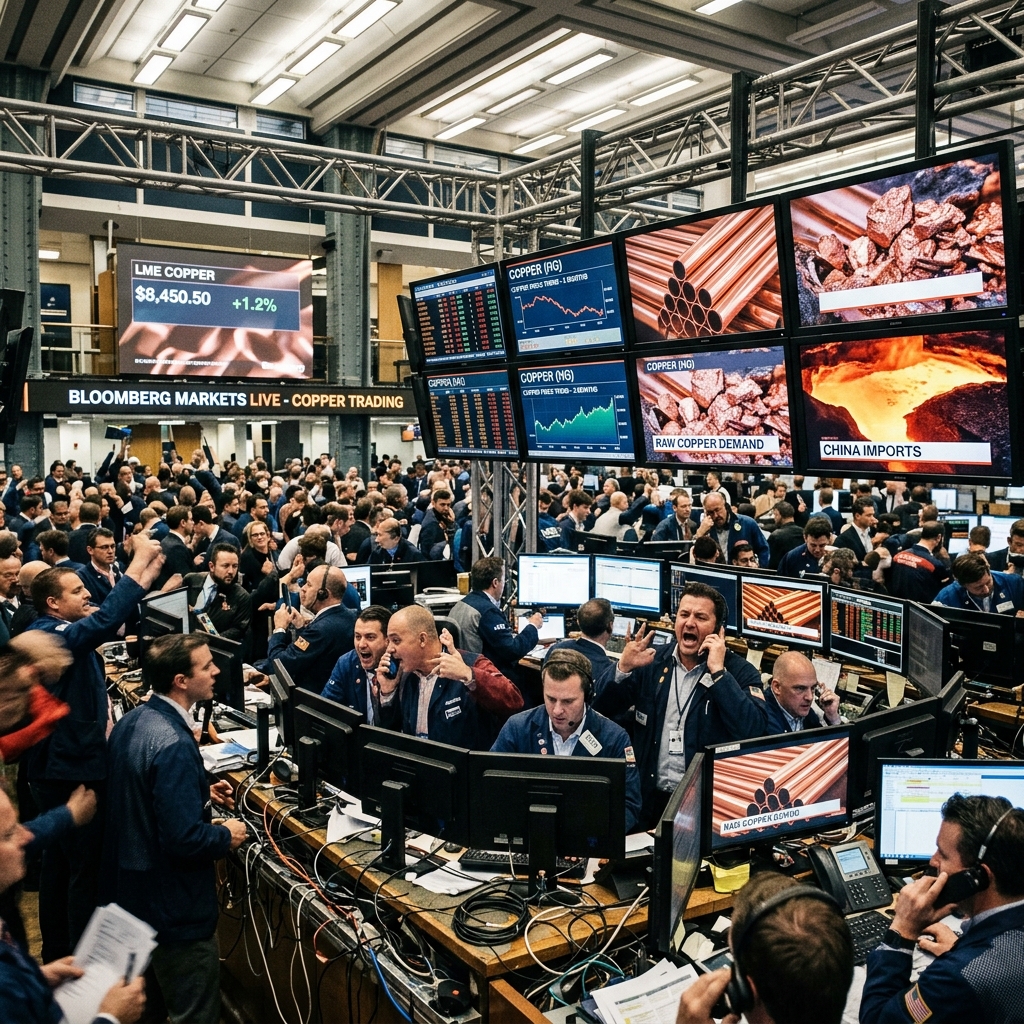
The immediate reaction in the futures market has been characterized by cautious positioning. Copper, often referred to as "Dr. Copper" for its ability to diagnose the overall health of the global economy, is particularly vulnerable to trade frictions. Tariffs generally act as a tax on consumers and businesses, potentially slowing economic growth and, by extension, dampening industrial demand for the metal.
However, the supply side of the equation remains tightly constrained. Historically low warehouse inventories and ongoing operational challenges at major South American mines provide a bullish counterweight to demand-side tariff fears. This tug-of-war between supply deficits and macroeconomic headwinds is creating a fertile ground for intense intra-day volatility, forcing traders to employ complex hedging strategies to protect their margins.
Ripple Effects Across the Global Supply Chain
The potential for new tariffs extends far beyond the immediate fluctuations of the Comex or the London Metal Exchange (LME). The ripple effects are expected to permeate the entire global supply chain, impacting everyone from miners to end-use consumers.
Sourcing and Manufacturing Disruptions
If the White House decides to implement aggressive tariffs based on the Commerce Department’s findings, US-based manufacturers could face a sudden spike in input costs. Companies reliant on imported copper wire, tubing, and specialized alloys may be forced to pass these costs onto consumers. This dynamic risks stoking inflationary pressures in critical economic sectors ranging from commercial construction to electric vehicle manufacturing.
Conversely, domestic copper producers might view the tariffs as a protective measure, allowing them to capture a larger share of the US market. Yet, the broader implication remains that protectionist policies often lead to retaliatory measures from major trading partners, further complicating the global trade landscape and potentially sparking a tit-for-tat trade war.
Looking Ahead: Navigating the Uncertainty
As the deadline for the Commerce Department's report approaches, the copper market remains in a state of suspended animation. Institutional investors and physical traders alike are stress-testing their portfolios against various tariff scenarios, including broad-based levies on raw materials and targeted tariffs on specific manufactured goods from key competitor nations.
The coming weeks will be critical for the metals sector. A measured approach from the White House could alleviate market anxieties, allowing long-term fundamentals - such as the structural deficit driven by the electrification megatrend - to drive price action once again. However, if the administration opts for a hardline stance aimed at reshaping global supply chains, copper traders must prepare to navigate a renewed period of tariff-induced turmoil. In such an environment, geopolitical policy decisions will likely overshadow traditional supply and demand dynamics, setting the stage for unpredictable market behavior in the quarters to come.