
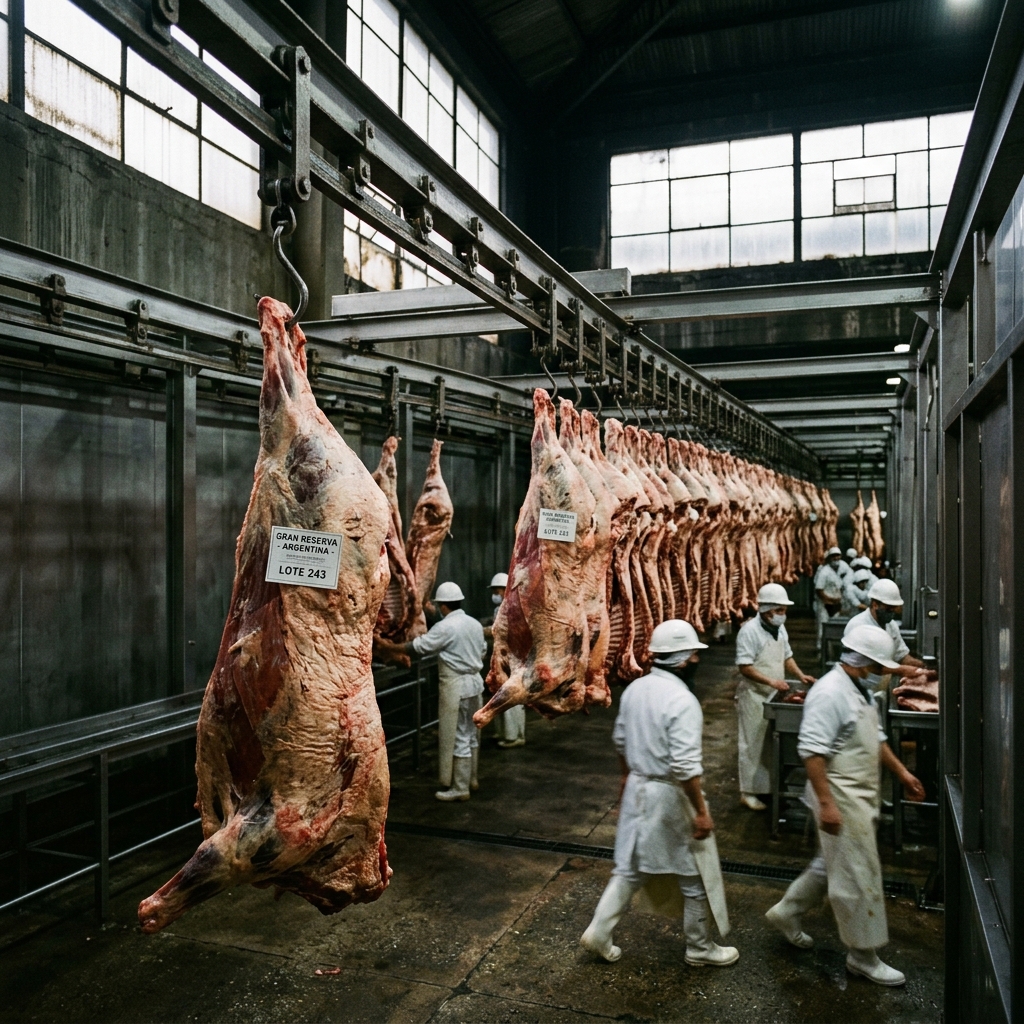
The sprawling plains of the Pampas are witnessing a profound shift. Argentine ranchers, long known for producing some of the world's most sought-after beef, are increasingly turning their attention northward. A burgeoning beef export boom to the United States is reshaping the industry, pulling focus away from traditional dominant buyers like China. While this pivot presents lucrative opportunities for exporters and agribusinesses, the ripple effects are being acutely felt at home, leaving local consumers paying significantly more for their staple steak.
The Shift in Argentina's Beef Exports
For years, China has been the primary destination for Argentine beef, absorbing large volumes of lower-grade cuts. However, changing geopolitical dynamics and evolving trade policies have prompted a strategic realignment. The United States, with its robust demand for premium cuts and processing beef, has emerged as a highly attractive market.
Pivoting from China to the US
Ranchers are eagerly answering the call of the US market, incentivized by favorable pricing and the opportunity to supply a premium consumer base. This shift is not merely a temporary blip but represents a broader structural change in Argentina's agricultural export strategy. By diversifying away from Chinese reliance, exporters are tapping into new revenue streams that promise higher margins, fundamentally altering the flow of the country's most iconic commodity.
Economic Impact on the Local Market
While the export surge is a boon for ranchers and the broader agricultural sector, it has created a stark dichotomy within the domestic economy. As more high-quality beef is earmarked for international shipment, the domestic supply tightens, leading to an inevitable spike in local prices.
Rising Costs for Argentine Consumers
For the average Argentine, beef is more than just a meal; it is a cultural cornerstone. The escalating cost of steak at local butcher shops and supermarkets is putting severe pressure on household budgets. As premium cuts are diverted to fulfill US contracts, locals are left grappling with higher prices for everyday consumption. This dynamic underscores the complex trade-offs inherent in export-led growth, where international success can inadvertently squeeze the domestic populace.
Political Ramifications for Javier Milei
The timing of this beef export boom and subsequent local price hike is politically precarious. President Javier Milei, who campaigned on radical economic reform and curbing inflation, now faces the challenge of managing the domestic fallout of this agricultural success story.
Navigating Inflation Ahead of Elections
As Milei heads into a crucial election cycle, the rising cost of living - epitomized by the surging price of beef - threatens to erode his political capital. The administration must perform a delicate balancing act: championing the economic benefits of increased exports while mitigating the inflationary pressures on the electorate. Failure to stabilize domestic prices could provide potent ammunition for political opponents, making the cost of a traditional asado a central issue in the upcoming campaigns.
The Broader Market Implications
The changing dynamics of Argentina's beef industry have far-reaching implications beyond the local butcher shop. For investors and market analysts, this trend offers critical insights into the country's macroeconomic trajectory and the performance of its agricultural sector.
What It Means for Investors
The pivot towards the US market highlights the agility and resilience of Argentine agribusinesses. Companies involved in meat processing, logistics, and export infrastructure stand to benefit significantly from this sustained demand. However, investors must remain vigilant regarding the political risks associated with domestic inflation. Government interventions, such as export quotas or price controls aimed at appeasing local consumers, could potentially disrupt the profitability of these enterprises. As the situation evolves, the intersection of agricultural exports, domestic inflation, and political stability will be a key area to monitor in the Argentine market.