
Landmark AI Copyright Verdicts: What They Mean for Tech
The rapid evolution of generative AI has brought about a wave of innovation, but it has also sparked complex legal battles. At the heart of these disputes is a fundamental question: who owns the rights to the data used to train artificial intelligence? Recent landmark AI copyright verdicts are beginning to answer this question, reshaping the generative AI landscape and setting crucial precedents for the tech industry.
In this article, we’ll explore the implications of these recent court decisions, how they impact tech companies, and what the future holds for generative AI and intellectual property.
The Core Issue: Training Data and Fair Use
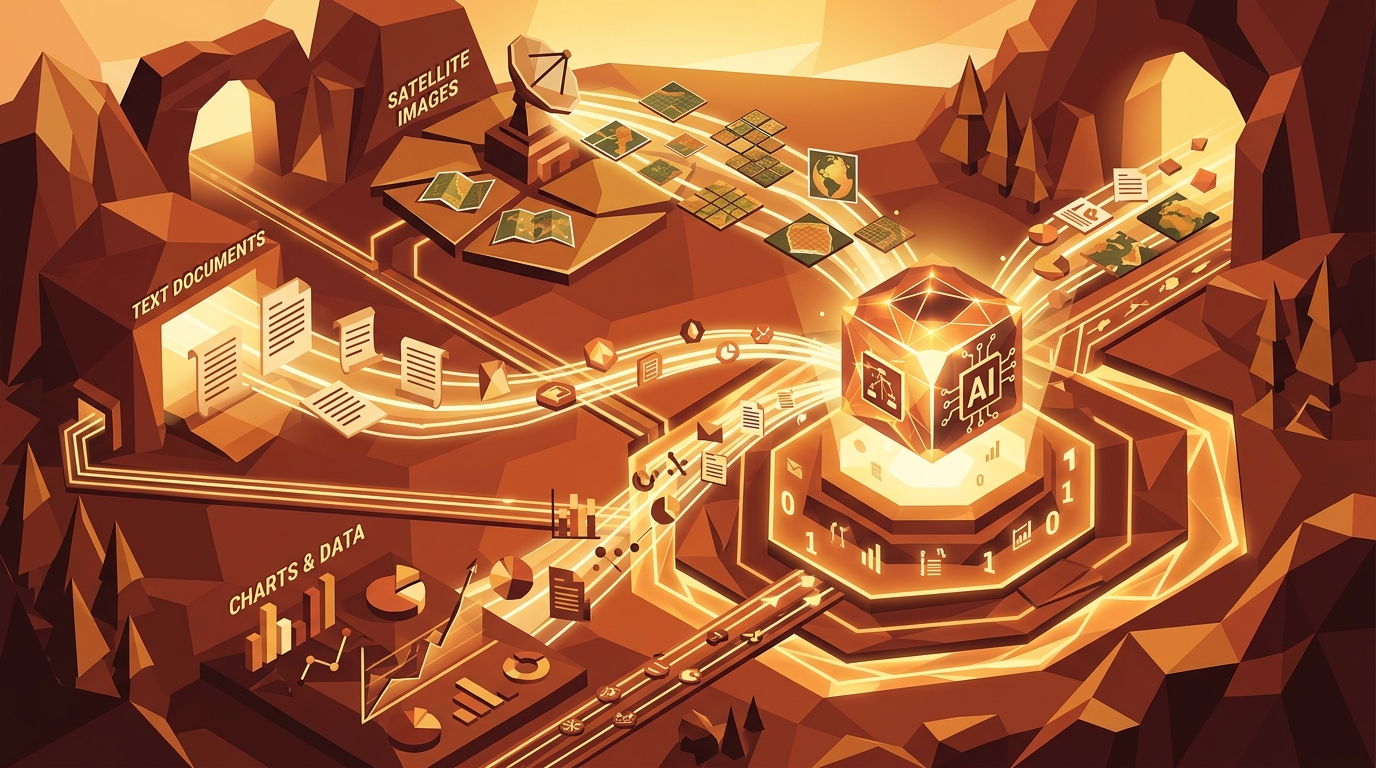
Generative AI models, such as large language models (LLMs) and image generators, rely on vast amounts of data to function. Much of this data is scraped from the internet, often without the explicit permission of the original creators. This practice has led to a surge of AI copyright lawsuits from authors, artists, news organizations, and publishers who claim their intellectual property was used unlawfully.
The primary legal defense for tech companies has been the doctrine of "fair use." They argue that training AI models is a transformative process that does not infringe on the original copyrights. However, creators argue that AI models can regurgitate copyrighted material or mimic their unique styles, directly competing with their work.
Key Takeaways from Recent AI Copyright Verdicts
Recent court decisions have started to draw boundaries around what is permissible in the AI landscape. While the legal environment remains fluid, several key trends have emerged from these landmark verdicts:
1. Increased Scrutiny on Training Data Sources
Courts are taking a closer look at how data is acquired. Rulings have indicated that simply scraping data from the public web does not automatically grant immunity from copyright claims. Tech companies may increasingly be required to prove that they have the right to use specific datasets, leading to a demand for licensed, ethically sourced training data.
2. The Nuances of "Fair Use" in AI
The interpretation of fair use in the context of AI is becoming more nuanced. Verdicts suggest that if an AI model generates outputs that closely resemble specific copyrighted works, the fair use defense may not hold up. This puts pressure on AI developers to implement stricter safeguards against direct memorization and output replication.
3. Protection for Human Authorship
A consistent theme in recent legal guidance is the protection of human authorship. The U.S. Copyright Office and various courts have maintained that content generated solely by AI cannot be copyrighted. However, the legal battleground is shifting toward the inputs - the human-created works used to train the machines.
What This Means for the Tech Industry
The ripple effects of these landmark AI verdicts will be felt across the tech ecosystem. Here is how the industry is likely to adapt:
- Shift Toward Licensing Agreements: To mitigate legal risks, major tech companies are already forging licensing deals with content providers, such as news publishers and stock image libraries. This trend will likely accelerate, creating new revenue streams for media organizations but raising the barrier to entry for smaller AI startups.
- Enhanced Transparency Requirements: Future regulations and legal precedents may force AI companies to be more transparent about their training datasets. Developers might need to maintain detailed logs of the data used and offer opt-out mechanisms for creators.
- Development of "Clean" AI Models: There is a growing market for AI models trained exclusively on public domain, licensed, or opt-in data. These "clean" models offer enterprise clients peace of mind, knowing they are shielded from potential copyright liability.
- Technological Solutions for Provenance: The tech industry is investing heavily in digital watermarking and content provenance technologies (like the C2PA standard). These tools help track the origin of digital content, making it easier to identify AI-generated works and protect copyrighted material.
The Future of Generative AI and Copyright Law
The recent AI copyright lawsuits are just the opening salvos in a long legal process. As generative AI becomes more deeply integrated into our daily lives, copyright law will need to evolve to balance the interests of innovators with the rights of creators.
For tech companies, navigating this shifting landscape requires a proactive approach. Relying solely on the fair use defense is becoming increasingly risky. Instead, the industry must move toward sustainable models that respect intellectual property while continuing to push the boundaries of artificial intelligence.
Summary: The wild west era of AI training data is coming to an end. As courts hand down landmark AI copyright verdicts, the tech industry must adapt to a new reality of licensing agreements, transparency, and respect for creator rights. These decisions are not just legal footnotes; they are the new rules of engagement that will define the future of generative AI.