

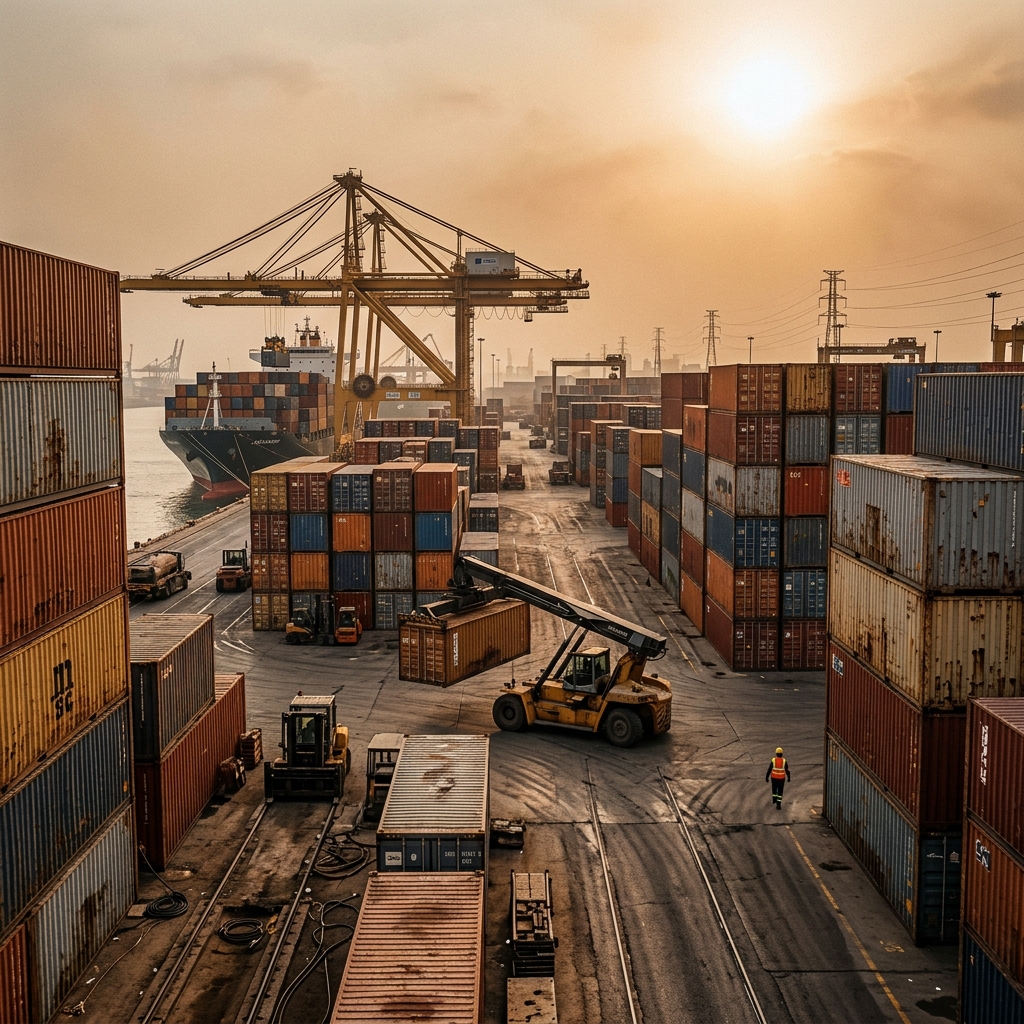
Industrial metals are experiencing a robust rally as a potent mix of geopolitical anxiety and macroeconomic optimism reshapes global commodity markets. Copper, aluminum, and zinc have all posted significant gains in recent trading sessions, propelled by mounting tensions near the strategic Strait of Hormuz and growing consensus that the Federal Reserve is preparing to loosen monetary policy.
As supply chain vulnerabilities collide with a shifting economic backdrop, traders are aggressively pricing in a sustained upward trajectory for base metals. This surge holds profound implications for the global economy, particularly for the technology and clean energy sectors that rely heavily on these critical raw materials.
Geopolitical Tensions: The Strait of Hormuz Factor
While the Strait of Hormuz is primarily recognized as the world’s most critical chokepoint for crude oil, escalating tensions in the region are creating significant ripple effects across the broader commodity spectrum. Industrial metals are deeply sensitive to energy costs, given the energy-intensive nature of smelting and refining processes - especially for aluminum and zinc.
Traders are actively hedging against the possibility that regional instability could disrupt shipping lanes, drive up freight and insurance costs, and ultimately restrict the flow of refined metals and ores. Any spike in global energy prices resulting from a Hormuz disruption would immediately compress smelting margins, forcing producers to pass costs onto consumers and thereby inflating metal prices.
The Federal Reserve's Policy Outlook
Beyond geopolitical risks, the macroeconomic narrative is providing a powerful tailwind for industrial metals. Market participants are increasingly confident that the Federal Reserve will pivot toward a more accommodative monetary policy in the near term, a shift that historically serves as a catalyst for commodity rallies.
Interest Rates and a Weaker Dollar
A dovish shift by the central bank typically results in a weaker US dollar. Because globally traded commodities like copper and aluminum are priced in dollars, a depreciation of the greenback makes these metals cheaper for buyers holding foreign currencies. This dynamic is currently stimulating robust international demand, further tightening a market already facing supply constraints.
Stimulus for Manufacturing and Construction
Lower interest rates also lower borrowing costs for corporations, spurring investment in manufacturing, infrastructure, and construction. These sectors are the traditional engines of base metal consumption. As capital becomes cheaper, the anticipated revitalization of global industrial activity is prompting traders to stockpile materials in anticipation of future shortages.
Tech Sector Implications and Structural Demand
The intersection of finance and technology is arguably where the current metals rally will be felt most acutely. The ongoing technological revolution - encompassing artificial intelligence, data center expansion, and the electrification of the automotive fleet - has structurally altered the demand profile for industrial metals.
Copper, often viewed as the bellwether of the global economy, is indispensable for manufacturing electric vehicles (EVs) and upgrading electrical grids to support renewable energy integration. Similarly, the exponential growth of AI data centers requires massive amounts of copper for high-density wiring and cooling infrastructure, alongside aluminum for structural components. As the Fed outlook stokes economic optimism, tech companies are rushing to secure the raw materials necessary to build the infrastructure of tomorrow.
The Road Ahead
As the market navigates the dual complexities of Middle Eastern geopolitics and central bank maneuvering, the outlook for industrial metals remains decisively bullish. However, the path forward is unlikely to be linear. Volatility will remain elevated as traders digest incoming economic data and monitor the fragile security situation in the Persian Gulf. For investors and technology manufacturers alike, securing supply chains and anticipating price fluctuations will be paramount in the coming quarters.