

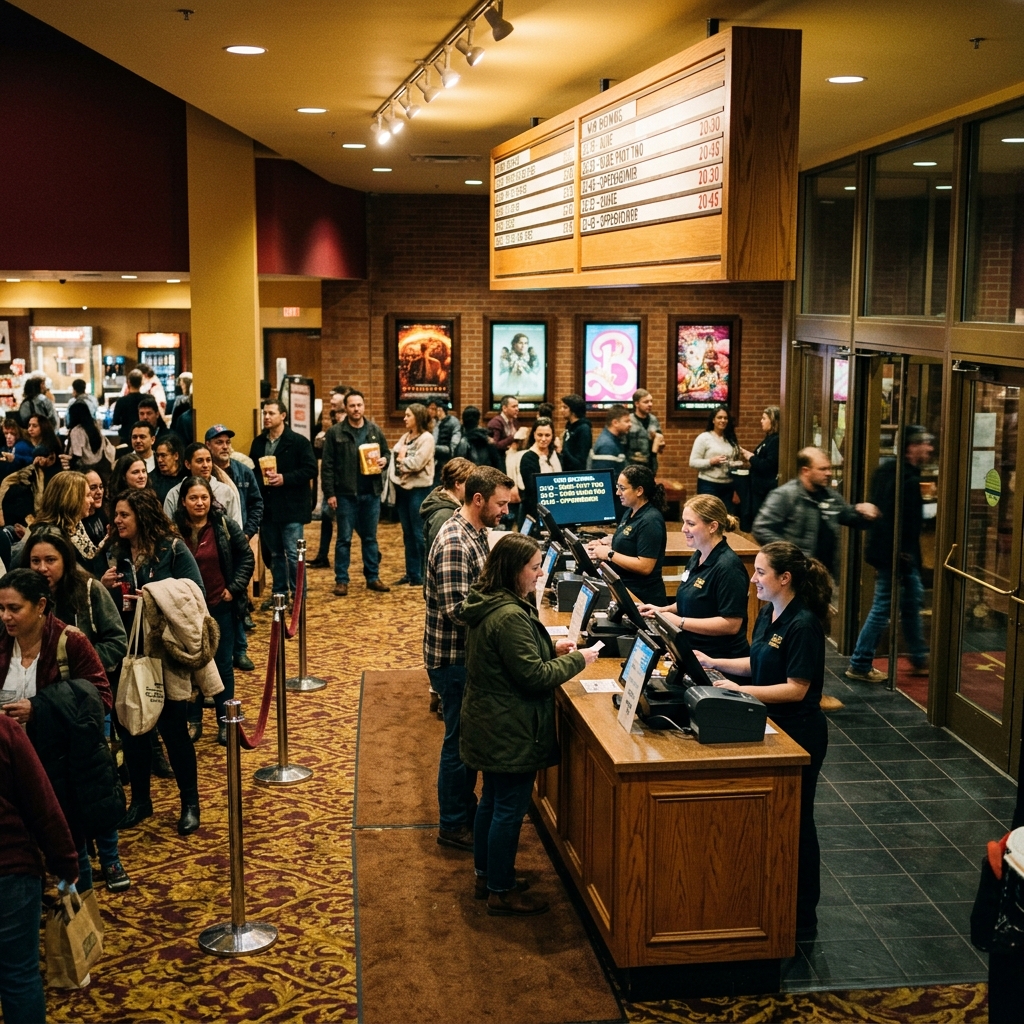
The film industry is staging a dramatic comeback. Driven by a wave of blockbuster hits, Hollywood is experiencing its most lucrative summer box office since the global pandemic upended the entertainment landscape. This surge in ticket sales has analysts projecting that the domestic annual box office is on pace to cross the coveted $10 billion threshold for the first time in seven years, signaling a robust recovery for cinema operators and major studios alike.
The Resurgence of the Silver Screen
For the past several years, the theatrical exhibition business has grappled with significant headwinds. From shifting consumer habits and the meteoric rise of streaming platforms to production delays caused by industry strikes, theaters have fought an uphill battle to regain their footing. However, the summer season has marked a decisive turning point.
Audiences are returning to multiplexes in droves, enticed by a diverse slate of films ranging from nostalgia-fueled sequels and franchise tentpoles to surprise original hits. This renewed appetite for the shared theatrical experience has not only generated massive opening weekends but has also demonstrated strong staying power, with films enjoying longer theatrical runs before transitioning to digital platforms.
Key Drivers of the Summer Success
Several factors are contributing to this remarkable box office resurgence:
- Premium Formats Driving Revenue: Consumers are increasingly opting for premium large-format screens, such as IMAX and Dolby Cinema. While ticket volumes are a critical metric, the higher price points associated with these premium experiences have significantly bolstered overall revenue figures.
- A Diverse Content Slate: Studios have successfully deployed a balanced release strategy, ensuring that there is compelling content for various demographic segments. The ability to attract broad audiences simultaneously has been crucial in maintaining steady weekend-over-weekend momentum.
- The Power of Event Cinema: Marketing campaigns that position theatrical releases as cultural events have proven highly effective. The "fear of missing out" (FOMO) factor is driving audiences to theaters to participate in the cultural zeitgeist, rather than waiting for streaming releases.
Market Implications for Entertainment Stocks
The potential for a $10 billion domestic box office year carries profound implications for the broader entertainment sector and presents compelling opportunities for investors.
Theater Chains on the Rebound
The most immediate beneficiaries of this surge are the major theater chains. Companies like AMC Entertainment and Cinemark have seen their fundamentals improve drastically. The influx of patrons not only boosts ticket revenue but also drives high-margin concession sales, which are vital to the profitability of exhibition companies. Consequently, cinema stocks, which have been heavily shorted and volatile over the past few years, are drawing renewed interest from institutional and retail investors seeking turnaround plays.
Studio Valuations and Streaming Strategies
For traditional Hollywood studios - such as Walt Disney, Warner Bros. Discovery, and Universal - the robust box office provides a much-needed infusion of cash. The theatrical window is re-establishing its importance as the primary engine for monetizing tentpole properties, proving that a successful cinematic run can enhance a film's value across subsequent distribution windows, including streaming and home entertainment.
This dynamic is prompting media conglomerates to re-evaluate their distribution strategies, prioritizing exclusive theatrical windows over immediate streaming releases to maximize profitability.
Looking Ahead: Sustaining the Momentum
While the summer numbers offer a highly encouraging narrative, the industry's ability to cross the $10 billion mark will hinge on the performance of the fall and holiday slates. If upcoming blockbuster releases can sustain the current momentum, Hollywood will not only achieve a historic financial milestone but will also firmly validate the enduring power and profitability of the theatrical business model in a post-pandemic world.