

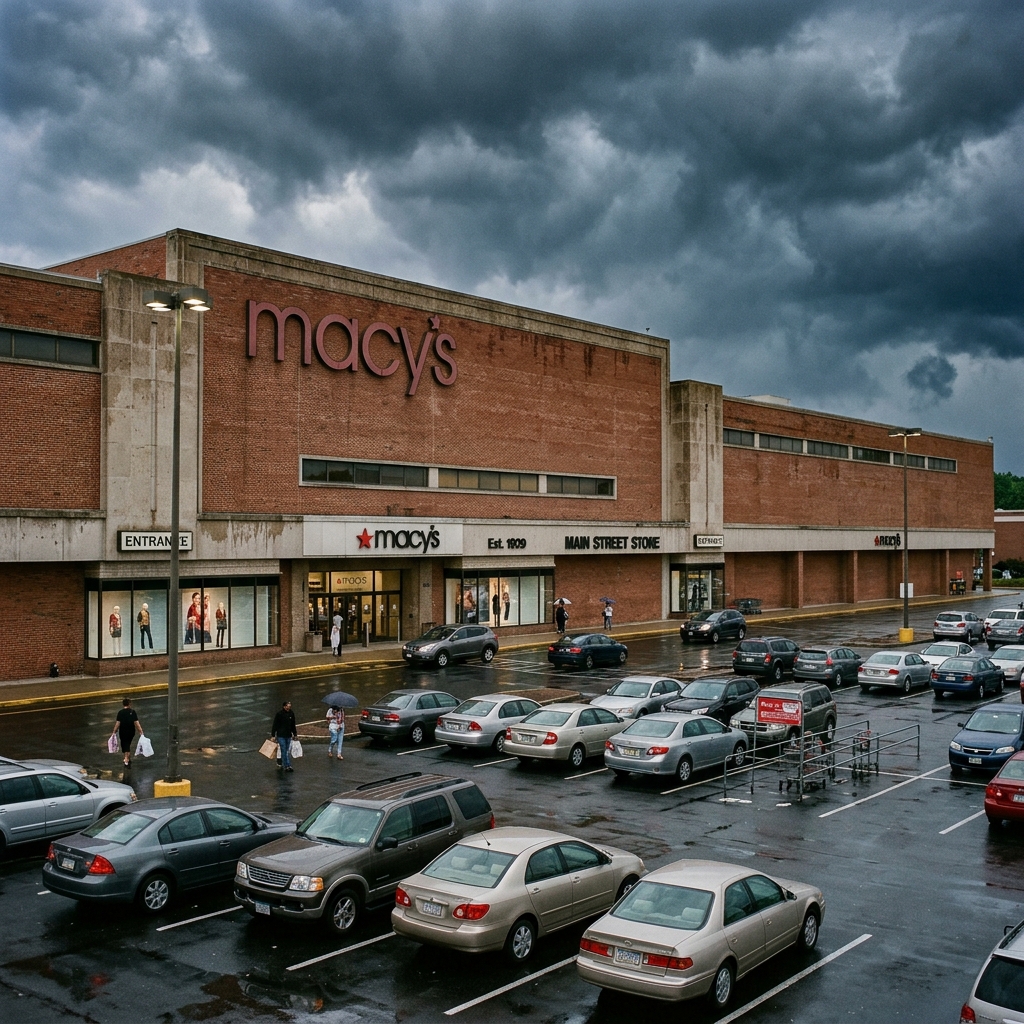
For decades, Kohl’s was a titan of American retail, a ubiquitous presence in suburban strip malls that offered Middle America an irresistible blend of accessible brands and perennial discounts. However, the retail landscape has shifted dramatically, leaving the once-dominant department store grappling with an identity crisis, plunging stock valuations, and a rapidly eroding customer base.
As e-commerce giants and nimble off-price retailers chip away at its market share, Kohl's is now undertaking a high-stakes turnaround strategy to reclaim its relevance in an unforgiving consumer environment.
The Unraveling of a Retail Giant
The decline of Kohl’s did not happen overnight; rather, it was a gradual erosion fueled by shifting consumer habits and increased competition.
Losing the Core Consumer
Historically, Kohl’s thrived by catering to suburban families seeking value without sacrificing quality. Its famous "Kohl's Cash" and relentless promotional cycles created a fiercely loyal demographic. Yet, as consumer preferences migrated online and toward fast-fashion or discount heavyweights like T.J. Maxx and Target, Kohl’s struggled to modernize its merchandise mix. The apparel selection grew stale, and the treasure-hunt experience that once defined the brand lost its luster.
The Rise of Digital and Off-Price Competitors
The broader transition toward digital shopping further exacerbated Kohl's woes. While the company invested in e-commerce, it found itself outpaced by Amazon and specialized digital-first brands. Concurrently, off-price retailers expanded their physical footprints, offering deeper discounts and better inventory turnover, effectively stealing Kohl's value-conscious shoppers. This dual threat decimated foot traffic and squeezed profit margins, sparking concern among investors and analysts alike.
Architecting a Turnaround
Recognizing the existential threat, Kohl's management has initiated a multi-pronged strategy designed to revitalize the brand, optimize its real estate, and entice a new generation of shoppers.
Strategic Partnerships and Sephora Integration
One of the most aggressive moves in Kohl's revitalization playbook is its partnership with beauty powerhouse Sephora. By integrating Sephora shop-in-shops across hundreds of its locations, Kohl's aims to attract younger, brand-conscious consumers while simultaneously driving incremental foot traffic. Early metrics indicate that the Sephora partnership is a bright spot, successfully capturing a demographic that had previously bypassed the department store.
Revamping the Merchandise Mix
Beyond beauty, Kohl’s is aggressively overhauling its apparel and home goods assortments. The company is phasing out underperforming proprietary labels in favor of activewear and national brands like Nike, Under Armour, and Levi's. This pivot toward athleisure and casual wear aligns with post-pandemic lifestyle shifts, positioning Kohl's as a destination for everyday active lifestyles rather than traditional department store fare.
Omnichannel Optimization and Amazon Returns
To bridge the gap between physical and digital retail, Kohl's has capitalized on an unconventional alliance: accepting Amazon returns in-store. This initiative is designed to drive immediate foot traffic, banking on the premise that customers returning an Amazon package will stay to browse and purchase. While conversion rates vary, it underscores management's willingness to experiment with bold omnichannel strategies.
The Road Ahead
The path to redemption for Kohl’s is fraught with challenges. Macroeconomic headwinds, including inflationary pressures and cautious consumer spending, pose significant risks to its recovery timeline. However, the company's proactive measures - anchored by strategic partnerships and a modernized product mix - demonstrate a clear-eyed recognition of its past missteps.
Whether Kohl’s can successfully transition from a relic of suburban retail into a modern, resilient enterprise remains to be seen. But for now, the retailer is refusing to quietly fade into obscurity, betting big that its strategic overhaul will bring shoppers - and investors - back to the aisles.