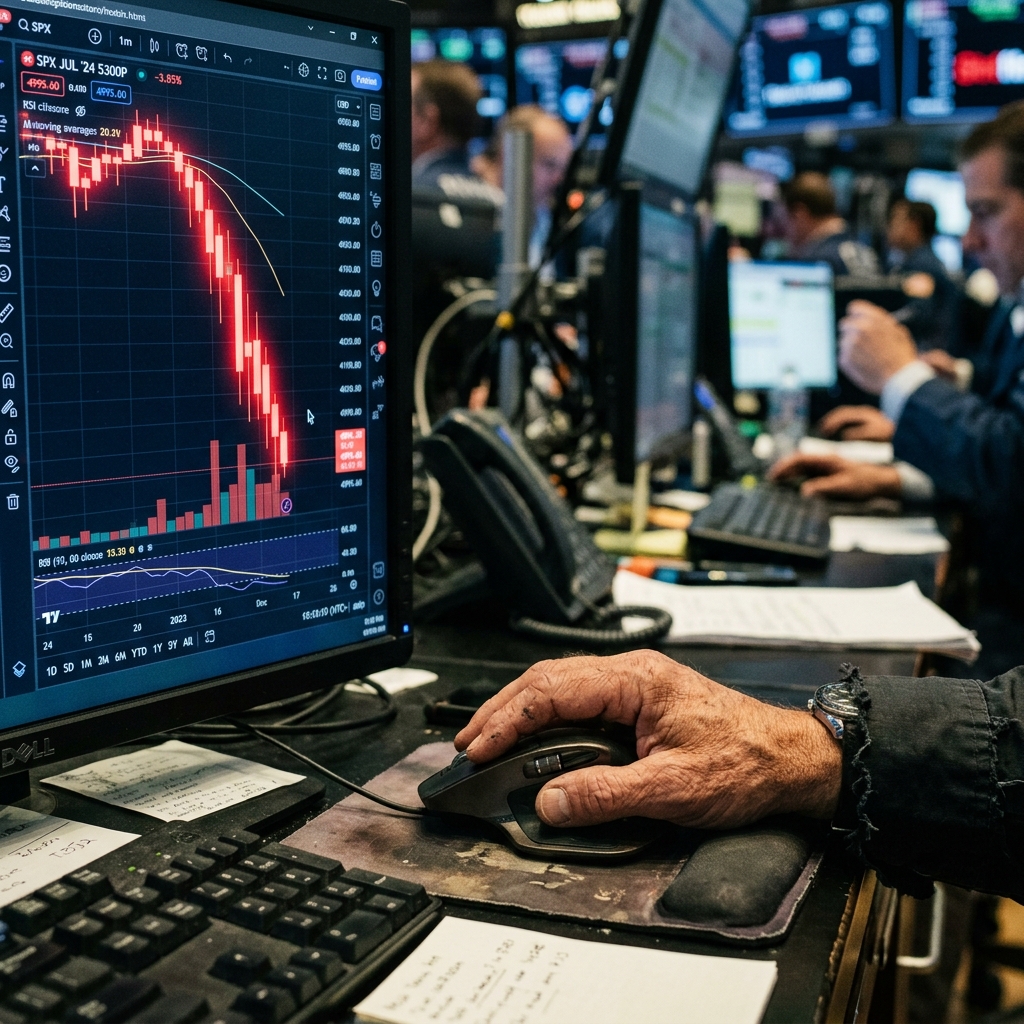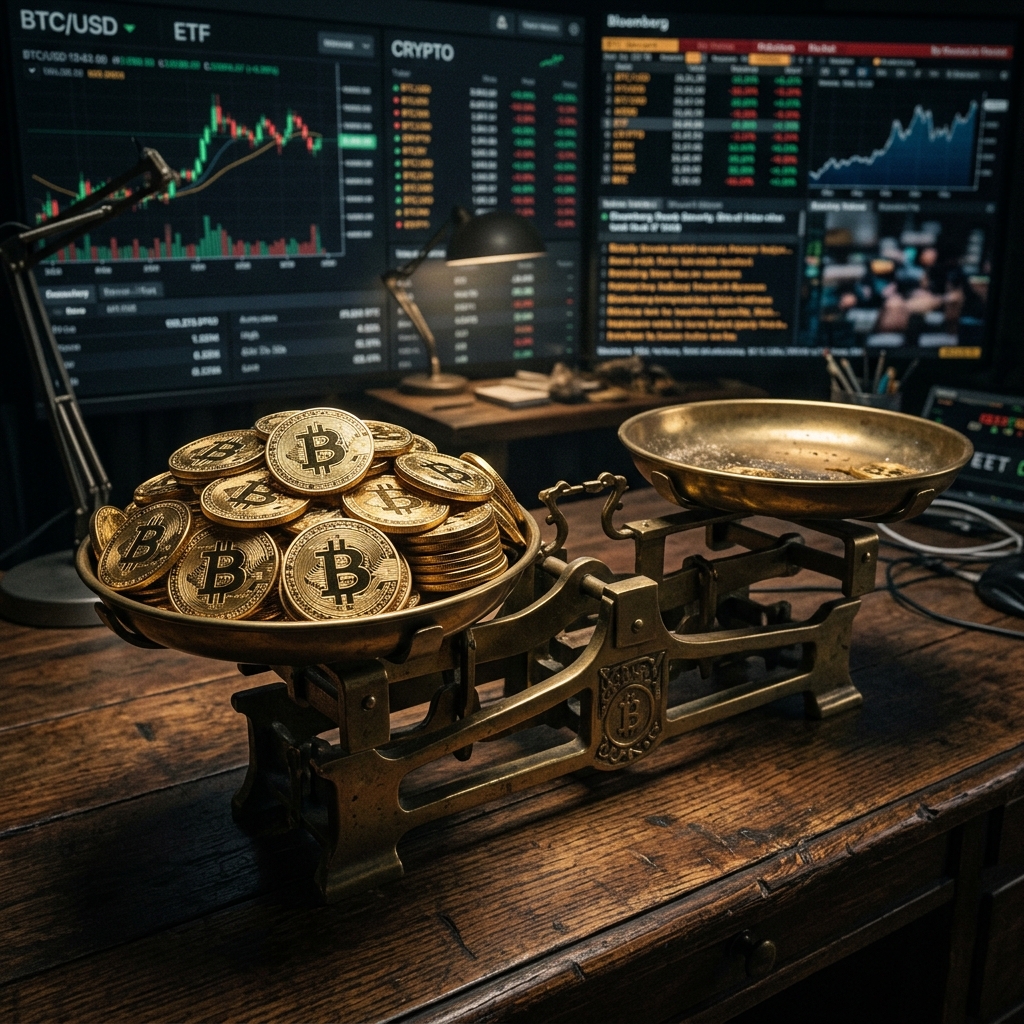


The landscape of cryptocurrency trading is undergoing a radical transformation, driven not by technological breakthroughs or institutional adoption, but by internet culture. Meme coins - digital assets initially conceived as jokes or parodies - have evolved into a formidable sub-sector of the crypto market. This phenomenon is fundamentally altering the nature of retail investing, turning what was once a highly speculative and technical endeavor into a highly gamified, socially driven experience.
The Intersection of Internet Culture and Finance
Historically, the valuation of digital assets hinged on their underlying utility, technological infrastructure, or scarcity models. Bitcoin and Ethereum set the precedent for fundamentally driven crypto valuations. However, the emergence of meme coins like Dogecoin, Shiba Inu, and Pepe has upended this paradigm. These assets derive their value primarily from social media momentum, influencer endorsements, and community sentiment rather than intrinsic utility.
This shift represents a democratization of market participation, albeit a highly volatile one. By leveraging recognizable internet memes, these tokens lower the psychological barrier to entry for novice investors, blending entertainment with financial speculation.
Community-Driven Price Action
The core engine of the meme coin ecosystem is the community. Platforms such as X (formerly Twitter), Reddit, and Discord serve as the trading floors of this new era. Here, retail investors organize, hype, and coordinate buying campaigns. The resulting price action is often characterized by explosive rallies followed by precipitous drawdowns, driven entirely by collective psychology and social consensus rather than fundamental analysis.
Gamification Mechanics in Crypto Trading
The appeal of meme coins is intrinsically linked to the gamification of the trading experience. Modern crypto exchanges and decentralized finance (DeFi) platforms have inadvertently built infrastructure that mimics video game mechanics. Leaderboards, immediate execution feedback, and vibrant user interfaces create dopamine-driven feedback loops that keep traders engaged.
Risk, Reward, and Social Validation
In the gamified world of meme coin trading, financial returns are only one part of the equation. Social validation plays a crucial role. Traders frequently share their gains (and dramatic losses) across social media, treating their portfolios as scorecards. The high-risk, high-reward nature of micro-cap meme coins offers lottery-like asymmetric upside, which is a powerful psychological draw for a younger demographic accustomed to instant gratification and interactive digital experiences.
Regulatory Scrutiny and Market Volatility
The gamification of crypto trading has not gone unnoticed by regulators. The sheer volatility of meme coins presents significant risks for retail investors, many of whom may not fully comprehend the underlying mechanics of liquidity pools or smart contracts. Authorities are increasingly concerned that the entertainment value of meme coins masks the very real potential for substantial financial ruin.
Market watchdogs argue that without stringent disclosures and investor protection frameworks, the gamified crypto market resembles an unregulated casino more than a legitimate financial ecosystem. The ongoing debate centers on how to protect retail participants without stifling the permissionless innovation that characterizes decentralized networks.
The rise of meme coins is more than a fleeting market anomaly; it is a testament to the powerful convergence of social media, internet culture, and decentralized finance. While the long-term viability of these assets remains highly questionable, their impact on the psychology of retail trading is undeniable. As the market matures, the challenge will be reconciling the engaging, gamified nature of meme coin trading with the necessity for robust investor protection and market stability.